The quiet powerhouse behind muscle, metabolism, mood, and everyday energy.
If fitness and nutrition trends come and go, protein remains the constant. You've probably heard it called the "building block" of the body, but that phrase barely scratches the surface. Protein isn't just for athletes or post-workout shakes. It's a foundational nutrient that influences how you feel, recover, think, and move every single day.
What Protein Actually Does in Your Body
Protein is made of amino acids, the microscopic tools your body uses to build, repair, and regulate. Here's what it handles behind the scenes:
- Repairs and rebuilds tissue: Every workout, stretch, or even daily movement creates microscopic wear. Protein provides the raw materials your body uses to repair muscles, skin, hair, nails, and organs.
- Stabilizes energy and reduces cravings: Protein slows digestion, smooths out blood sugar spikes, and triggers fullness hormones. That mid-afternoon slump or sudden snack urge? Often a sign your last meal lacked enough protein.
- Preserves strength and supports metabolism: Muscle tissue is metabolically active. Maintaining it helps keep your energy expenditure steady as you age, supports joint stability, and protects bone density.
- Fuels immune function and hormone balance: Antibodies, digestive enzymes, and key signaling molecules (like insulin and thyroid regulators) are all built from protein. When intake drops too low, your body prioritizes survival over optimization.
How Much Do You Really Need?
The old standard of 0.8 grams per kilogram of body weight was designed to prevent deficiency, not to support active lifestyles or healthy aging. Current research suggests most adults benefit from 1.2–2.0 g/kg (roughly 0.5–0.9 g per pound), depending on activity level, age, and goals.
But the total matters less than the distribution. Your body can only use about 20–30 grams of protein at a time for muscle synthesis. Spreading intake across 3–4 meals consistently outperforms loading it all at dinner.
Quality Matters (But Perfection Doesn't)
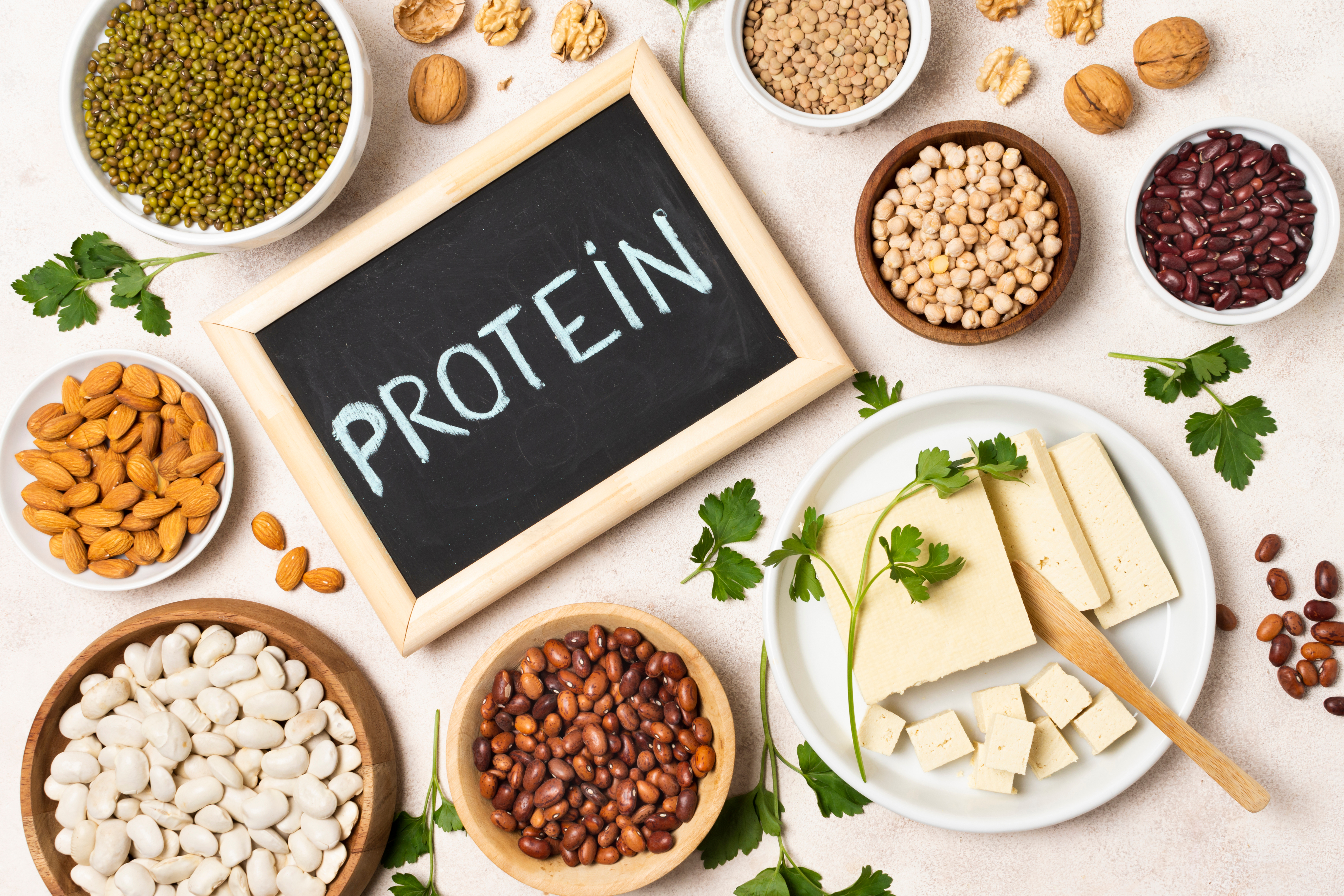
"Complete" proteins contain all nine essential amino acids your body cannot make on its own. Animal sources like eggs, poultry, fish, and dairy are naturally complete. Plant proteins like beans, lentils, tofu, quinoa, and nuts are highly nutritious but often lack one or two essential amino acids on their own.
The good news? You don't need to pair foods at every meal. Eating a variety of plant proteins throughout the day naturally covers your amino acid needs.
Common Protein Myths, Clarified
- "High protein damages kidneys." False for healthy individuals. Those with pre-existing kidney disease should follow medical guidance, but decades of research show high-protein diets do not cause kidney damage in healthy people.
- "You only need it right after working out." Your body uses protein around the clock. Consistent daily intake matters far more than precise post-workout timing.
- "Plant protein isn't enough." With intentional variety, plant-based diets easily meet and exceed protein needs while providing fiber, antioxidants, and healthy fats.
Simple Ways to Eat Enough Without Tracking
You don't need a food scale or an app to get protein right. Try these gentle upgrades:
- Start strong at breakfast: Swap toast-only for Greek yogurt, eggs, cottage cheese, tofu scramble, or a protein-enhanced smoothie.
- Upgrade snacks deliberately: Pair an apple with almonds, carrots with hummus, or rice cakes with peanut butter.
- Add, don't restrict: Sprinkle hemp seeds on salads, stir lentils into soups, or mix a scoop of protein powder into oatmeal.
- Hydrate adequately: Higher protein intake works best with consistent water intake to support digestion and kidney function.
Protein isn't a trend. It's a daily necessity that quietly shapes your strength, energy, and long-term resilience. You don't need perfection—just consistency, variety, and a little mindful planning. When you treat protein as a foundation instead of an afterthought, your body responds with steadier energy, faster recovery, and fewer cravings.
Your next step: Pick one meal this week to add a reliable protein source. Notice how you feel two hours later. That quiet sense of fullness and focus? That's your body thanking you.